Project Gallery
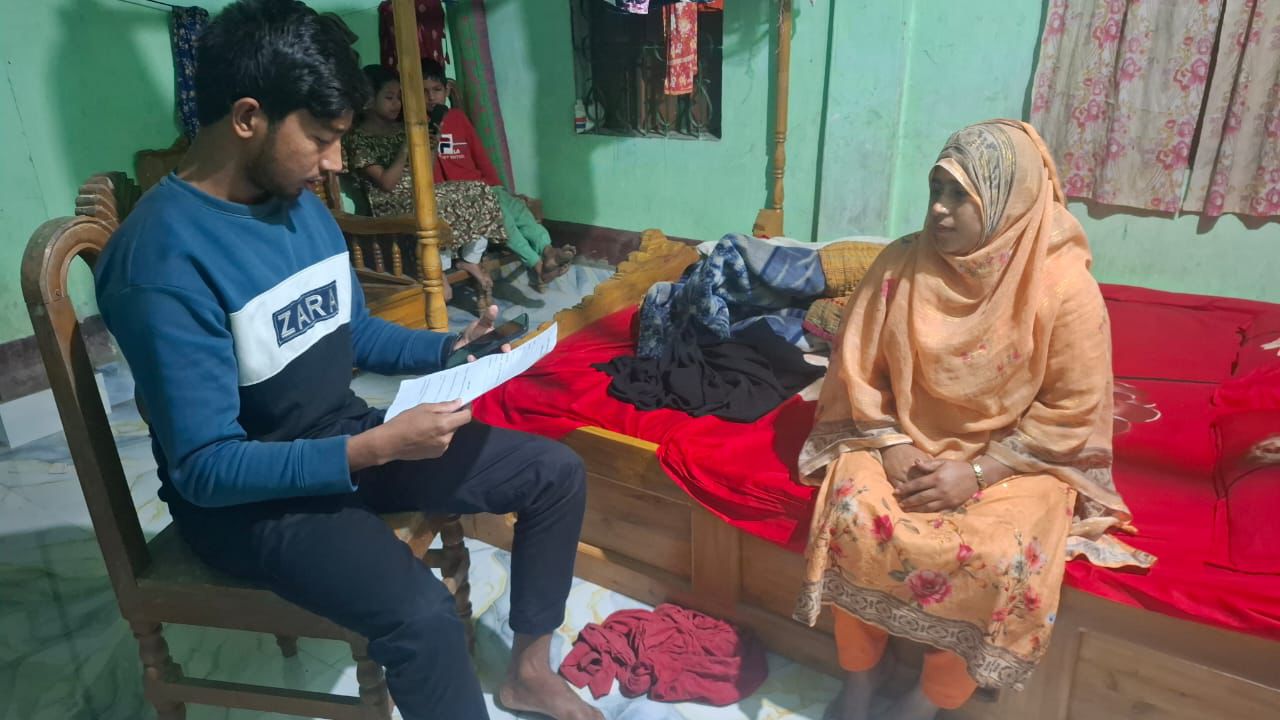
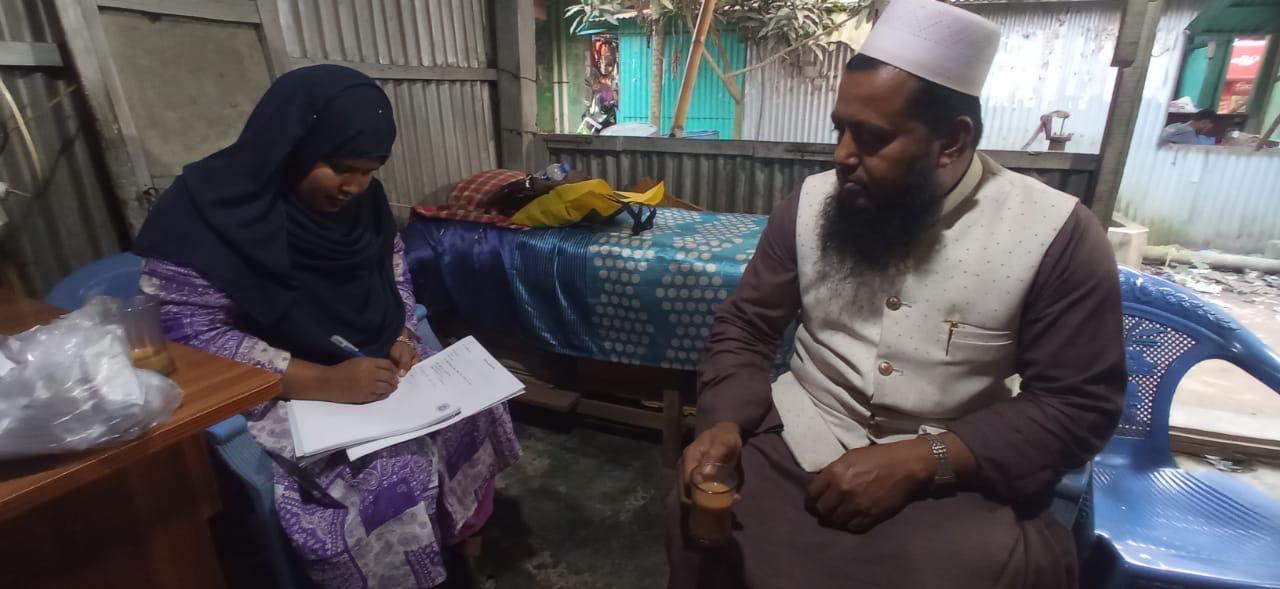
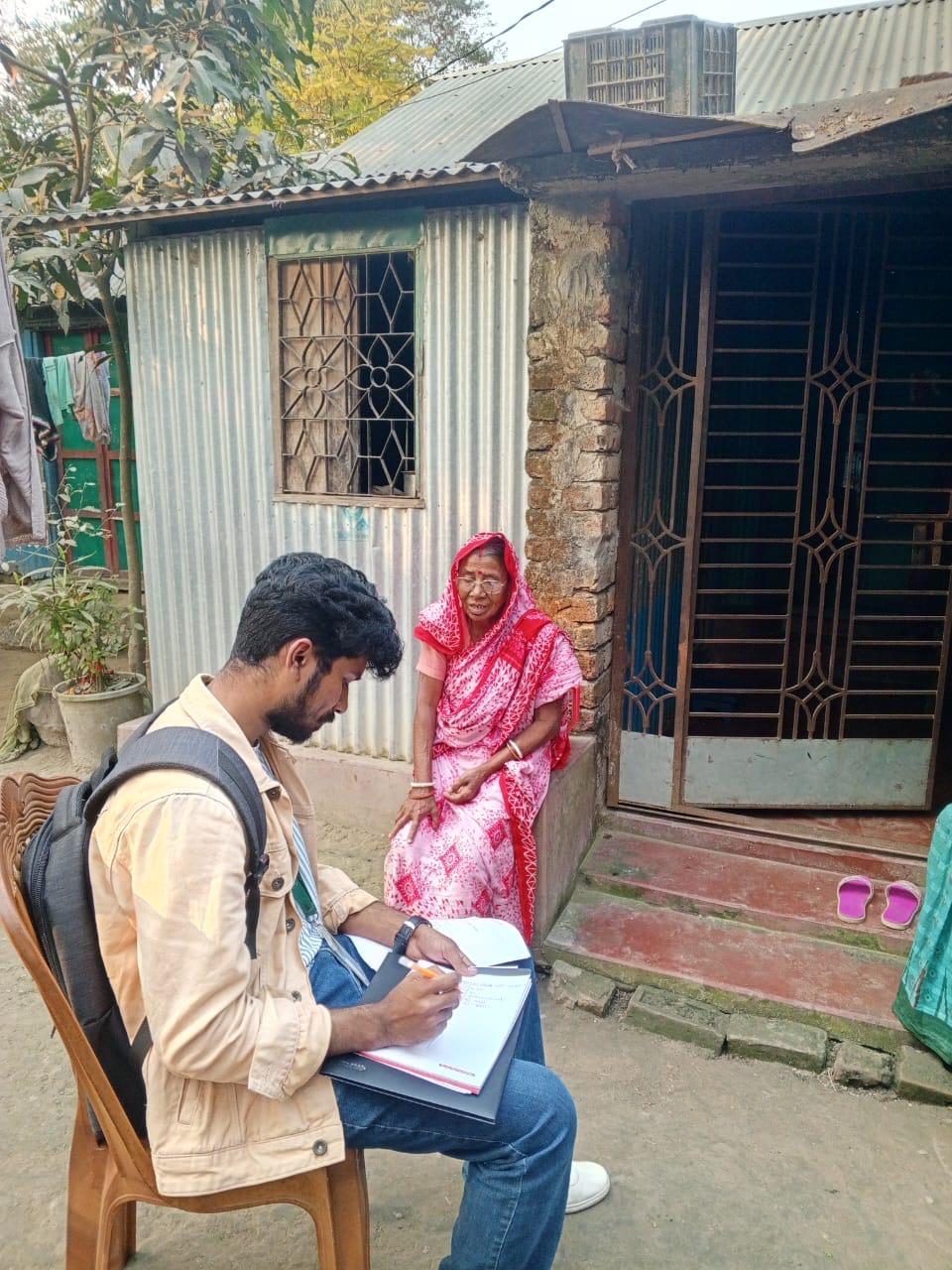
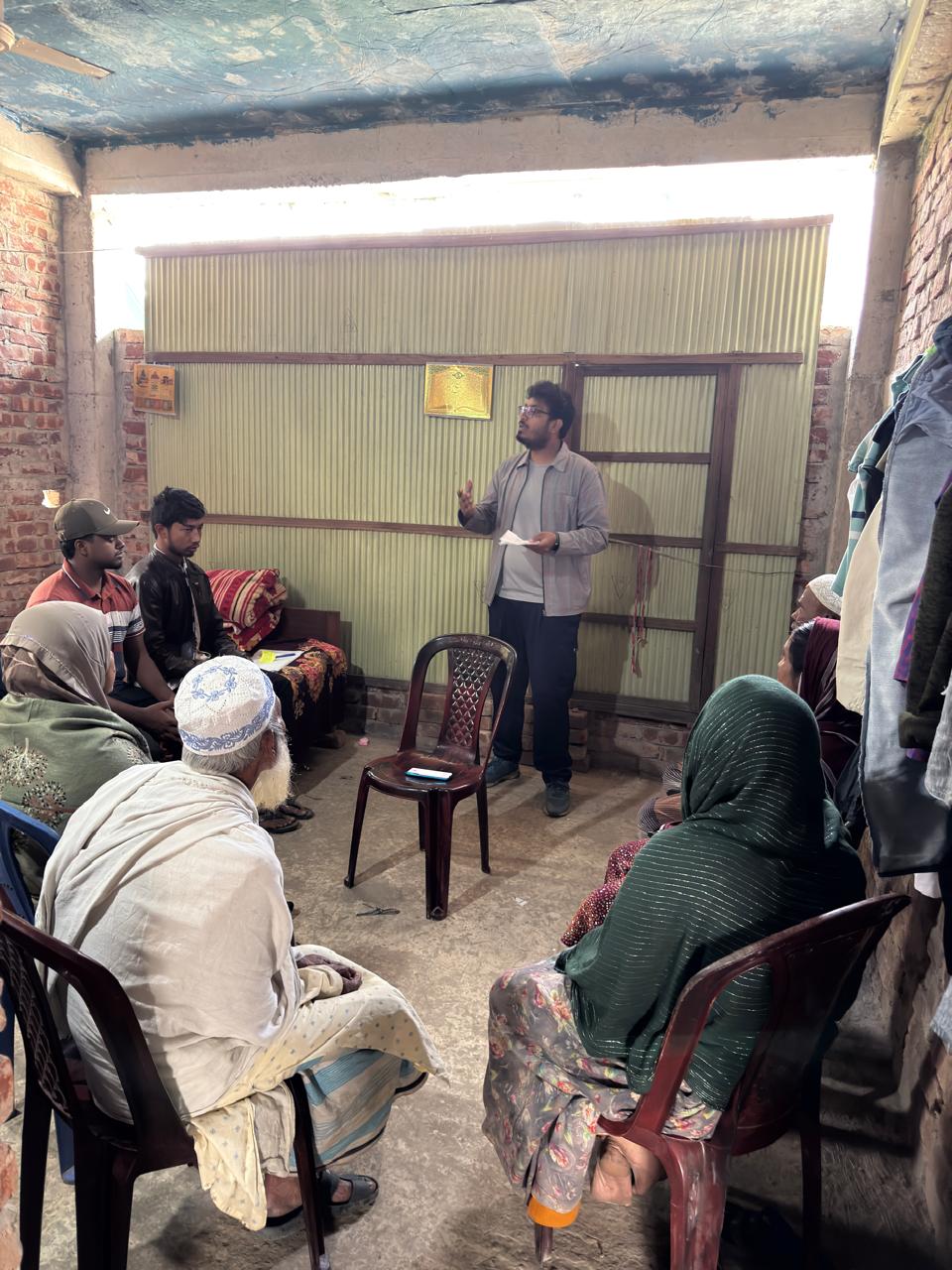
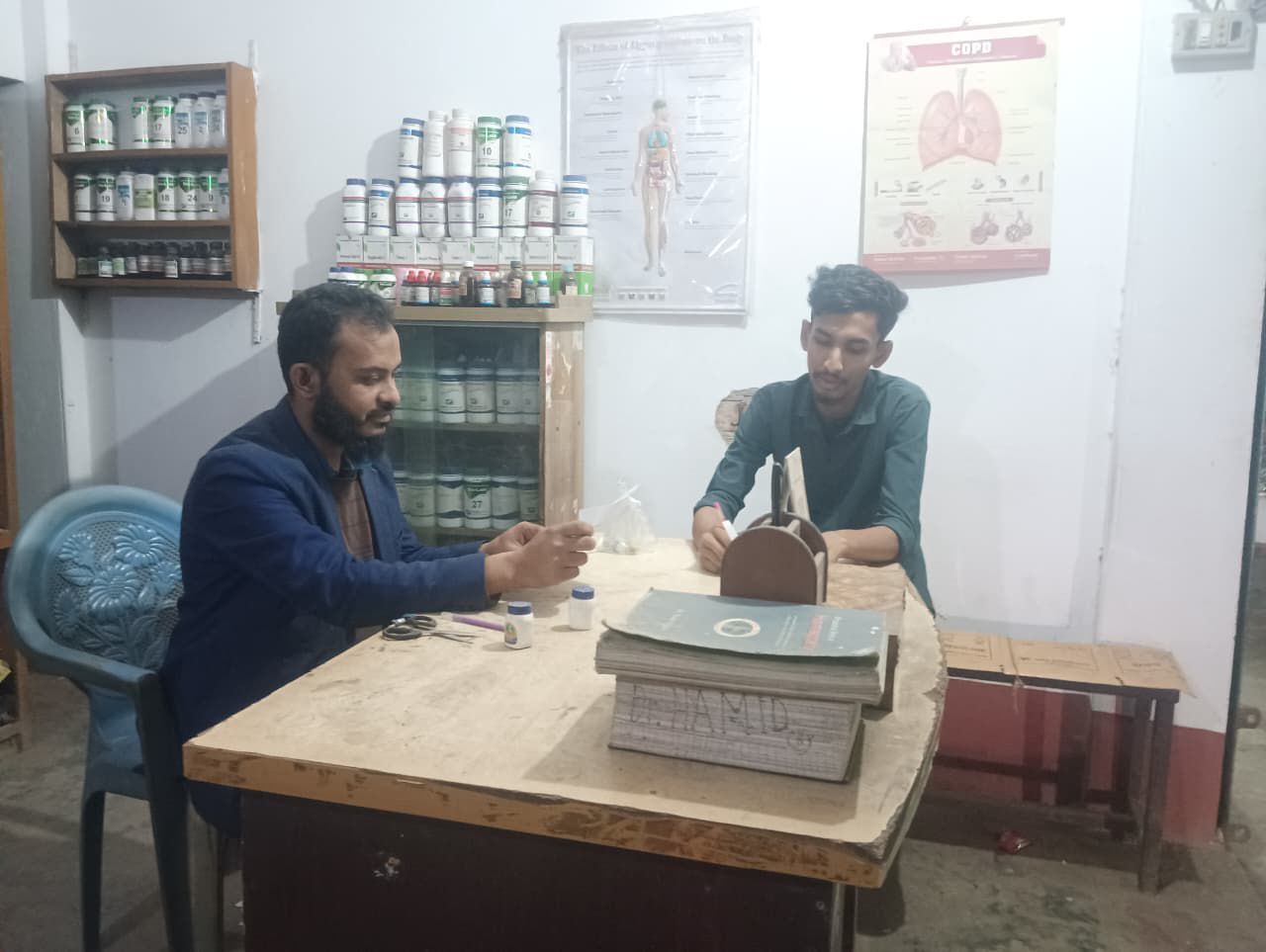
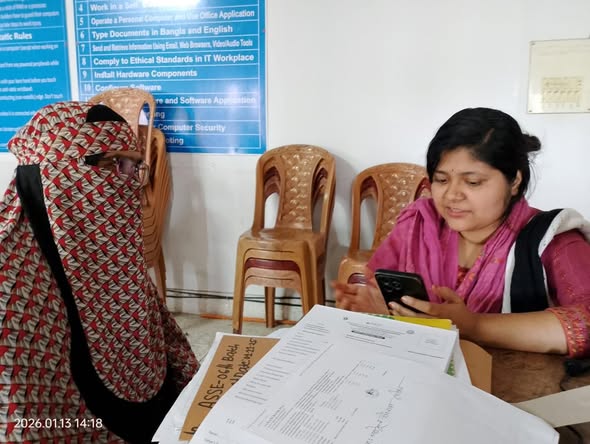
Visual highlights from field surveys, focus group discussions, and community dialogues.
Establishing the foundation of our intervention strategy.
Communicating academic seriousness and institutional trust.
10 semi-urban/rural mixed unions and 1 predominantly rural union.
Voting is often treated as a family obligation, not an individual constitutional right.
"Women are rarely approached as independent voters."
Religion used socially to justify male guidance. Not doctrinal — culturally enforced. Affects both Muslim (86%) and Hindu (14%) women.
46% lack authentic information.
"Your vote does not matter" • "Election violence is inevitable"
Digital inclusion presents a transformative opportunity — but only when paired with literacy.
These catalysts directly justify our project design and engagement model.
Collaborative solutions proposed by local stakeholders.
A multi-dimensional roadmap for transformative change.
Direct perspectives from women participants across different unions in Brahmanbaria.
"Many women hesitate to participate in voting because of family pressure. Lack of education and social barriers are also major factors."
"Women are often unwilling to vote due to security concerns. They cannot make voting decisions without family approval. Additionally, local groups or social ties also influence them."
"Many women feel that if they go out to vote, it may violate or disrupt their observance of purdah. In addition, there is family pressure, and often they are not given permission to leave the house."
"In the last election, I observed that some husbands and wives supported different political parties. The husband did not want his wife to vote for the opposing party. As a result, the husband would monitor his wife while she was voting. When a woman does not follow her husband’s preference and votes according to her own choice, it can lead to family conflict between them."
"If there are female volunteers at polling centers and adequate security arrangements, women will be able to vote without fear."
"Through my work as a journalist, traveling from village to village, I have observed that women rarely make decisions independently. They mainly emphasize maintaining family unity. Before marriage, they are influenced by the political identity of their parental home, and after marriage, by that of their husband’s family. However, nowadays, due to exposure to TV talk shows and Facebook, they are gradually developing their own judgment. Even so, when it comes to expressing their final decision, the opinions of the family elders tend to take precedence."
"Religious values and guidance from community elders play a significant role here. In addition, the decision of the head of the household often serves as the final and most influential factor."
"Often there are restrictions imposed by political authorities. In addition, rumors, family pressures, and various other social constraints create obstacles to women’s exercise of their voting rights."
"From what I have observed, many women have their own opinions, but due to family and social pressure, they are unable to make decisions accordingly. However, among younger and more educated women, the tendency to vote according to their own decisions is gradually increasing."
"As homemakers, we usually make our voting decisions based on the opinions of our husbands or the elders in the family. Even if we have our own views, they are often not expressed."
"I believe in straightforward things. As the head of the household, if I tell my wife or daughters to vote a certain way, they won’t disobey me. After all, it’s us who go out and know best from whom we can get benefits."
"The biggest challenges for women to vote independently are fear for their safety, family pressure, and the social environment. Many women feel that going to the polling station might involve disorder or unpleasant incidents. In addition, concerns about political violence, male-dominated behavior, and a lack of sufficient knowledge about the voting process are also major obstacles. Without order and proper control, women naturally do not have the courage to make independent decisions."
"Many women neglect elections, and many are not sufficiently aware or do not fully understand the importance of voting responsibly. Due to a lack of education and family pressure, they face difficulties in making voting decisions. Once, during a Union Parishad (UP) election, I visited a house to invite a woman to vote, but she refused because she had argued with her husband about it. Although local elections receive some importance, national elections are considered much less significant. Many women show little interest in national elections and do not participate due to family decisions or social pressure."
"I have observed that many women in our area first discuss the matter with their family members. They want to express their own opinions, but in the end, they usually follow the advice of their husbands or elders."
Visual highlights from field surveys, focus group discussions, and community dialogues.
Transparency increases donor and institutional credibility by acknowledging research constraints.
The baseline findings confirm that women's electoral participation in Brahmanbaria is shaped by intersecting forces: patriarchy, misinformation, infrastructural gaps, and political pressure.
However, high digital access, trusted local leadership, and community-based engagement models provide a strong foundation for transformative change.
How Her Vote Her Voice Addresses These FindingsEnsuring technical quality, ethical compliance, and strategic alignment of the baseline study.
The dedicated field researchers and surveyors who conducted the baseline study across 11 unions.